San Francisco's Connection to the Schengen Zone: Law and Regulations
Category : | Sub Category : Posted on 2024-11-05 22:25:23
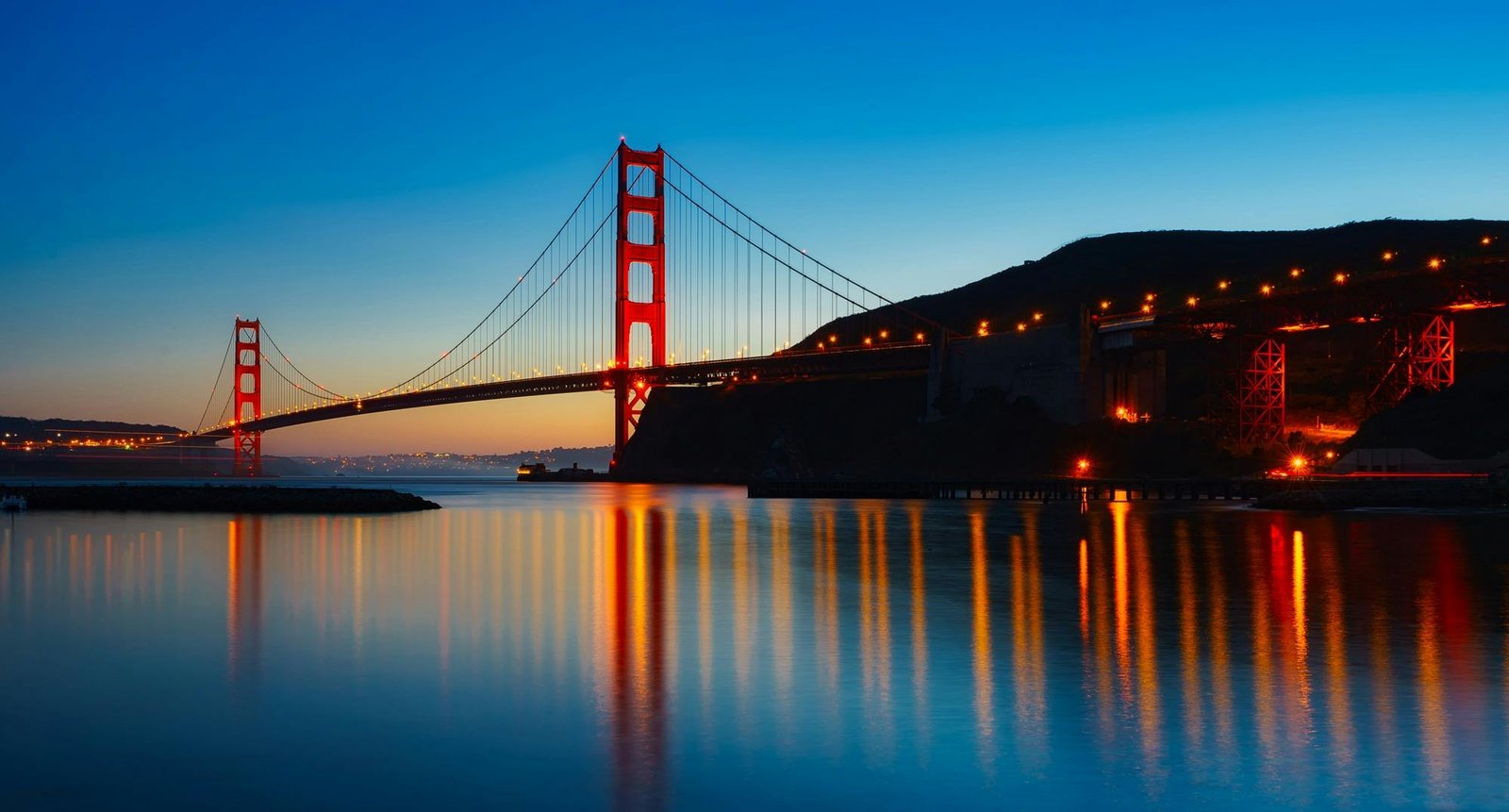
San Francisco, known for its iconic Golden Gate Bridge, diverse culture, and vibrant tech scene, might seem worlds apart from the Schengen Zone in Europe. However, the two are connected through international law and regulations that govern movement between the United States and the Schengen countries. Understanding these laws is crucial for travelers and businesses operating in both regions. The Schengen Zone is a group of 26 European countries that have abolished passport control at their mutual borders, allowing for passport-free travel within the area. This means that a traveler who enters one Schengen country can move freely within the entire zone without facing additional border checks. The aim of the Schengen Agreement is to promote freedom of movement and facilitate trade and tourism within Europe. For travelers from San Francisco or any other city in the United States, visiting the Schengen Zone involves complying with certain regulations. The most important requirement is obtaining a Schengen visa, which allows entry into the zone for a specified period. This visa is typically issued by the embassy or consulate of the main destination country in the Schengen Zone. The duration of stay permitted with a Schengen visa is limited to 90 days within a 180-day period. Travelers must ensure they do not overstay their visa, as this could lead to fines, deportation, or even a ban on reentering the Schengen Zone in the future. In terms of regulations, there are certain restrictions on what travelers can bring into the Schengen Zone from San Francisco. Items such as firearms, certain medications, and large amounts of cash may be subject to specific regulations or even prohibited. It is essential for travelers to familiarize themselves with these regulations before their trip to avoid any legal issues. For businesses operating between San Francisco and the Schengen Zone, understanding trade regulations is crucial. The European Union, which includes many Schengen countries, has its own set of trade agreements and tariffs that must be followed. Businesses must comply with these regulations to avoid customs issues and ensure smooth transactions. In conclusion, San Francisco's connection to the Schengen Zone through law and regulations highlights the importance of understanding international travel and trade requirements. Whether you are a traveler planning a trip or a business looking to expand into Europe, being aware of these regulations is essential for a successful and legally compliant experience.
https://tosanfrancisco.com
https://toseattle.com
https://todetroit.com
https://vollmacht.org
Leave a Comment:
SEARCH
Recent News
- Exploring Zurich: A Taste of Latin America in Switzerland
- Zurich, Switzerland is a vibrant city known for its stunning architecture, picturesque landscapes, and diverse culinary scene. While Swiss cuisine certainly holds a special place in the hearts of many locals and visitors, the city also boasts a variety of international dining options, including Latin American food.
- Zurich, Switzerland is a vibrant city known for its picturesque surroundings, high quality of life, and thriving multicultural community. Among the various expatriate communities that call Zurich home, the Latin American community stands out for its rich culture, lively traditions, and strong sense of community bonding.
- Traveling through Latin America is an exciting and enriching experience that many people dream of. With its diverse landscapes, rich cultures, and warm hospitality, Latin America offers endless possibilities for exploration and adventure. And what better way to share these experiences with the world than through YouTube content creation and translation?
- Latin American Cuisine: A YouTube Content Creation and Translation Guide
- YouTube Content Creation and Translation for the Latin American Community
- Latin America is a diverse and vibrant region filled with rich culture, beautiful landscapes, and fascinating history. If you have a passion for travel and want to explore the wonders of Latin America from the comfort of your own home, then you should check out the YouTube channel "Latin American Travel." This channel is a treasure trove of videos that showcase the best that Latin America has to offer.
- Latin American cuisine is known for its bold flavors, vibrant colors, and rich culinary traditions. From spicy Mexican dishes to savory Colombian empanadas, the diverse cuisines of Latin America are a true reflection of the region's cultural heritage. If you're a food lover looking to explore the world of Latin American food, there are plenty of YouTube channels dedicated to showcasing the best recipes and cooking techniques from this vibrant culinary landscape.
READ MORE
10 months ago Category :

Exploring Zurich: A Taste of Latin America in Switzerland
Read More →10 months ago Category :

Zurich, Switzerland is a vibrant city known for its stunning architecture, picturesque landscapes, and diverse culinary scene. While Swiss cuisine certainly holds a special place in the hearts of many locals and visitors, the city also boasts a variety of international dining options, including Latin American food.
Read More →10 months ago Category :

Zurich, Switzerland is a vibrant city known for its picturesque surroundings, high quality of life, and thriving multicultural community. Among the various expatriate communities that call Zurich home, the Latin American community stands out for its rich culture, lively traditions, and strong sense of community bonding.
Read More →10 months ago Category :
