Contrasting City Lights: Exploring the Illumination of San Francisco and Helsinki, Finland
Category : | Sub Category : Posted on 2024-11-05 22:25:23
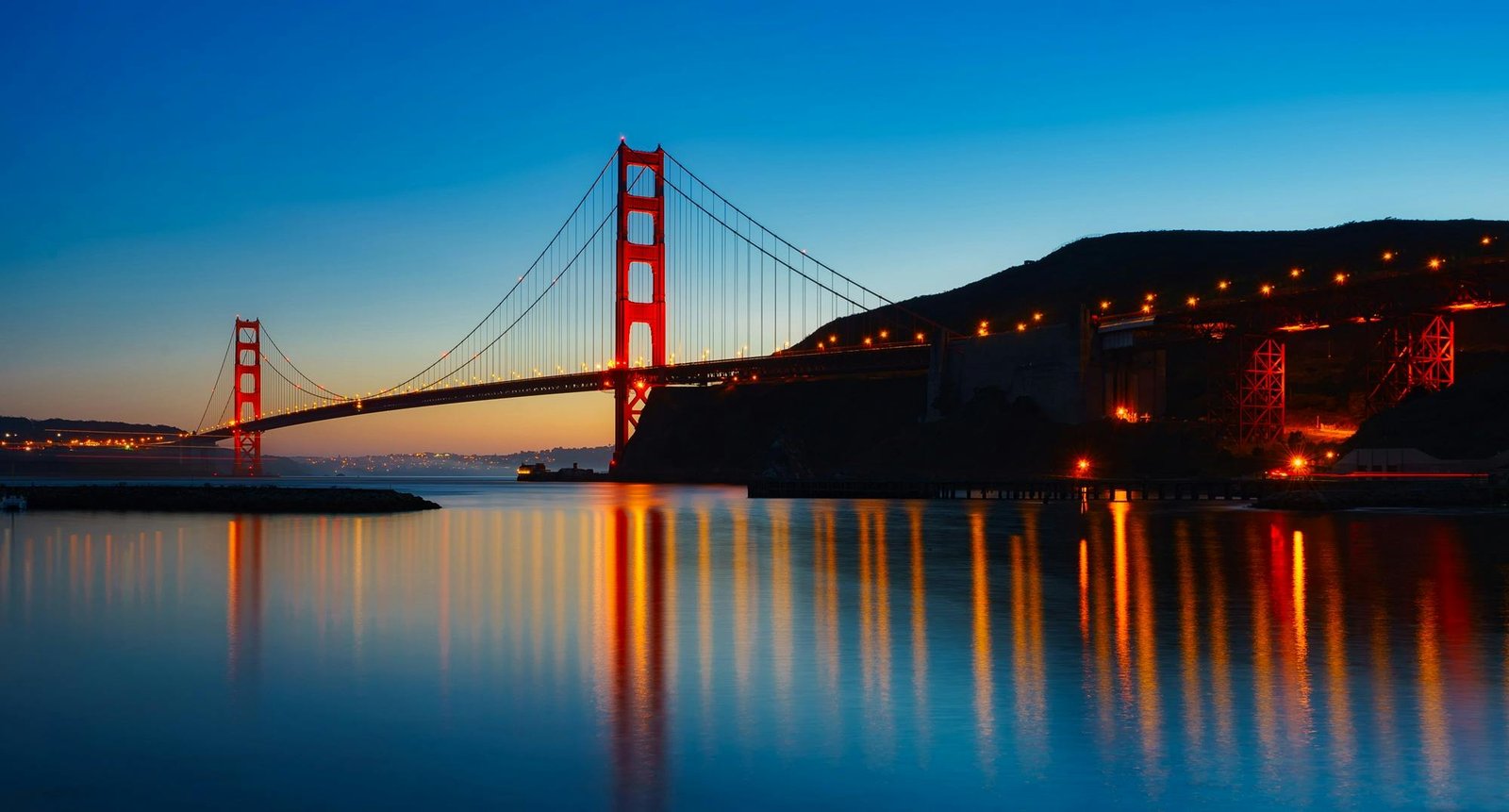
In the realm of urban landscapes, the way a city is illuminated can play a significant role in shaping its character and ambiance. Two cities that stand out in terms of their unique lighting designs and atmospheres are San Francisco in the United States and Helsinki in Finland. Despite being thousands of miles apart and situated in vastly different environments, both cities have their own distinct approaches to lighting that contribute to their charm and appeal. San Francisco, known for its iconic landmarks like the Golden Gate Bridge and Transamerica Pyramid, is a vibrant metropolis that comes alive at night with a dazzling display of lights. The city's skyline is adorned with a colorful array of neon signs, streetlights, and skyscraper illuminations that create a magical ambiance. The bustling streets of neighborhoods like Fisherman's Wharf and Union Square are illuminated with a warm glow, inviting residents and tourists alike to explore and experience the city's energy after dark. In contrast, Helsinki, the capital of Finland, takes a more subtle and minimalist approach to lighting. Known for its Nordic design aesthetic and commitment to sustainability, Helsinki's lighting scheme is focused on enhancing the city's architectural features and natural beauty. Soft, diffused lighting is used to illuminate historic buildings, waterfront promenades, and public spaces, creating a cozy and inviting atmosphere that reflects the city's cozy atmosphere. One of the most striking differences between San Francisco and Helsinki is their approach to lighting public spaces. San Francisco's parks and plazas are often lit with bright, bold lights that draw attention to outdoor events and activities, while Helsinki's parks are illuminated with softer, more natural light that blends seamlessly with the surrounding environment. Despite their differences, both cities prioritize the use of energy-efficient lighting technologies and sustainable practices to minimize light pollution and reduce their environmental impact. San Francisco has implemented LED streetlights and smart lighting systems to improve efficiency and reduce energy consumption, while Helsinki has adopted a "dark sky" policy to preserve the natural beauty of the night sky and protect the well-being of its residents. In conclusion, the contrast between the lighting of San Francisco and Helsinki offers a fascinating glimpse into how different cities around the world approach illuminating their urban spaces. While San Francisco dazzles with its colorful displays and vibrant energy, Helsinki charms with its understated elegance and focus on sustainability. Both cities demonstrate that lighting plays a crucial role in shaping the nighttime experience and enhancing the overall quality of urban life.
https://tosanfrancisco.com
https://toseattle.com
https://todetroit.com
Leave a Comment:
SEARCH
Recent News
- Exploring Zurich: A Taste of Latin America in Switzerland
- Zurich, Switzerland is a vibrant city known for its stunning architecture, picturesque landscapes, and diverse culinary scene. While Swiss cuisine certainly holds a special place in the hearts of many locals and visitors, the city also boasts a variety of international dining options, including Latin American food.
- Zurich, Switzerland is a vibrant city known for its picturesque surroundings, high quality of life, and thriving multicultural community. Among the various expatriate communities that call Zurich home, the Latin American community stands out for its rich culture, lively traditions, and strong sense of community bonding.
- Traveling through Latin America is an exciting and enriching experience that many people dream of. With its diverse landscapes, rich cultures, and warm hospitality, Latin America offers endless possibilities for exploration and adventure. And what better way to share these experiences with the world than through YouTube content creation and translation?
- Latin American Cuisine: A YouTube Content Creation and Translation Guide
- YouTube Content Creation and Translation for the Latin American Community
- Latin America is a diverse and vibrant region filled with rich culture, beautiful landscapes, and fascinating history. If you have a passion for travel and want to explore the wonders of Latin America from the comfort of your own home, then you should check out the YouTube channel "Latin American Travel." This channel is a treasure trove of videos that showcase the best that Latin America has to offer.
- Latin American cuisine is known for its bold flavors, vibrant colors, and rich culinary traditions. From spicy Mexican dishes to savory Colombian empanadas, the diverse cuisines of Latin America are a true reflection of the region's cultural heritage. If you're a food lover looking to explore the world of Latin American food, there are plenty of YouTube channels dedicated to showcasing the best recipes and cooking techniques from this vibrant culinary landscape.
READ MORE
11 months ago Category :

Exploring Zurich: A Taste of Latin America in Switzerland
Read More →11 months ago Category :

Zurich, Switzerland is a vibrant city known for its stunning architecture, picturesque landscapes, and diverse culinary scene. While Swiss cuisine certainly holds a special place in the hearts of many locals and visitors, the city also boasts a variety of international dining options, including Latin American food.
Read More →11 months ago Category :

Zurich, Switzerland is a vibrant city known for its picturesque surroundings, high quality of life, and thriving multicultural community. Among the various expatriate communities that call Zurich home, the Latin American community stands out for its rich culture, lively traditions, and strong sense of community bonding.
Read More →11 months ago Category :
