The Impact of Urban Redevelopment on San Francisco: Learning from Dictators
Category : | Sub Category : Posted on 2024-11-05 22:25:23
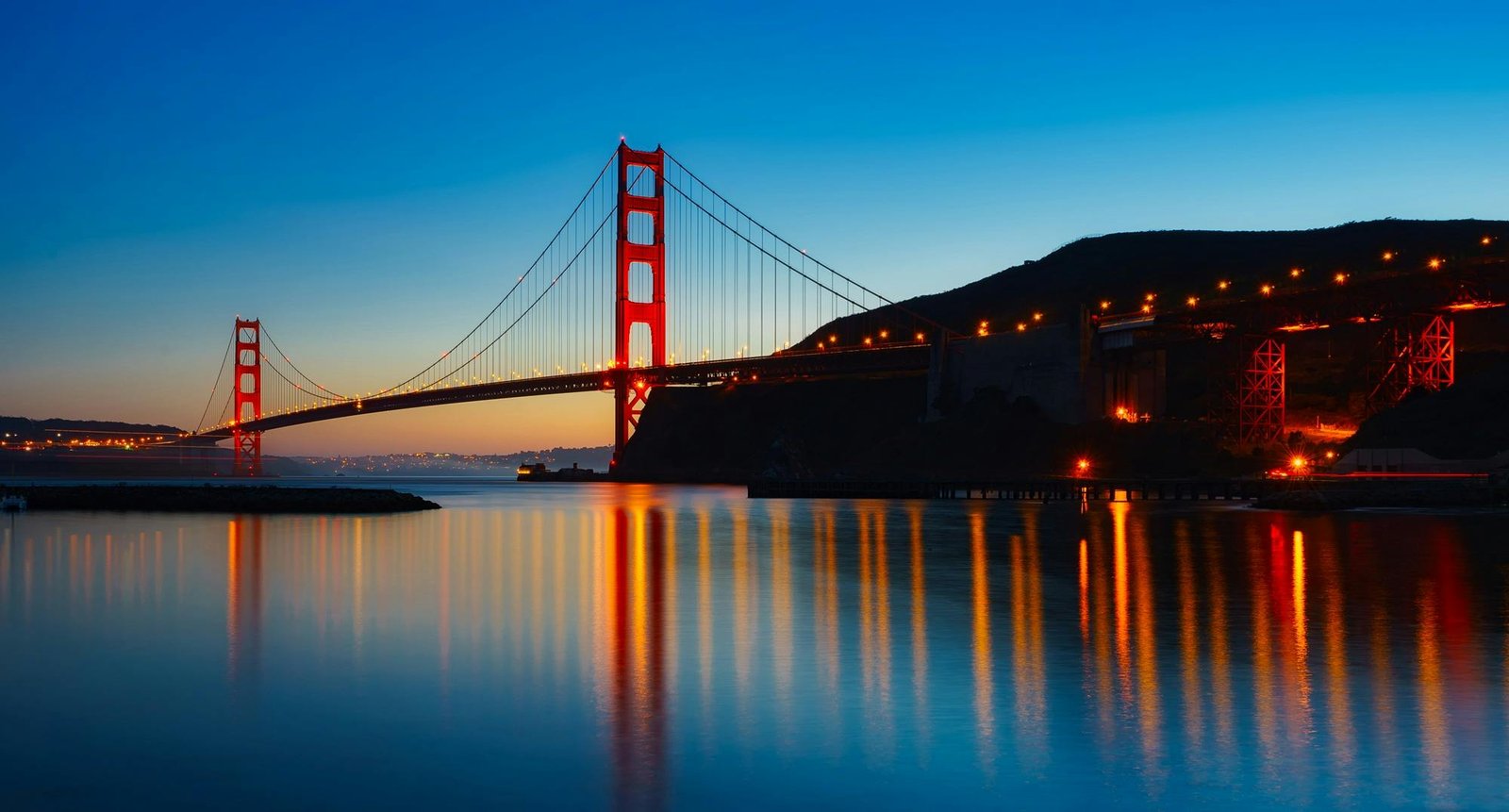
Urban redevelopment has long been a contentious issue in cities around the world, and San Francisco is no exception. The city's rich history and diverse population have made it a prime location for ambitious redevelopment projects aimed at revitalizing neighborhoods, boosting economic growth, and addressing social issues. However, the process of urban redevelopment is not without its challenges, as evidenced by the parallels that can be drawn between these endeavors and the actions of dictators. Dictators are known for their top-down approach to decision-making, often steamrolling over opposition and disregarding the needs and desires of the people they govern. In a similar vein, urban redevelopment projects in San Francisco have faced criticism for their lack of community input and consultation, leading to concerns about displacement, gentrification, and the erosion of the city's unique character. One example of this top-down approach is the controversial redevelopment of the Western Addition neighborhood in the 1960s, which saw thousands of residents displaced in the name of urban renewal. This aggressive approach to redevelopment, reminiscent of dictatorial tactics, resulted in the destruction of historic buildings and the breakup of tight-knit communities, leaving a lasting scar on the neighborhood. In recent years, efforts have been made to shift towards a more inclusive and community-driven approach to urban redevelopment in San Francisco. Projects like the redevelopment of the Hunters Point Shipyard have sought to involve local residents in the planning process and prioritize affordable housing and social equity. By learning from the mistakes of the past and embracing a more collaborative approach, these projects aim to create vibrant, sustainable neighborhoods that benefit all residents. While the specter of dictators may loom large over discussions of urban redevelopment in San Francisco, there is hope that the city can move forward in a more democratic and equitable manner. By prioritizing community engagement, social justice, and long-term sustainability, San Francisco can ensure that future redevelopment projects empower residents rather than marginalizing them. In doing so, the city can honor its history while shaping a more inclusive and vibrant future for all who call it home.
https://tosanfrancisco.com
https://toseattle.com
https://todetroit.com
https://desencadenar.org
https://constructional.org
Leave a Comment:
SEARCH
Recent News
- Exploring Zurich: A Taste of Latin America in Switzerland
- Zurich, Switzerland is a vibrant city known for its stunning architecture, picturesque landscapes, and diverse culinary scene. While Swiss cuisine certainly holds a special place in the hearts of many locals and visitors, the city also boasts a variety of international dining options, including Latin American food.
- Zurich, Switzerland is a vibrant city known for its picturesque surroundings, high quality of life, and thriving multicultural community. Among the various expatriate communities that call Zurich home, the Latin American community stands out for its rich culture, lively traditions, and strong sense of community bonding.
- Traveling through Latin America is an exciting and enriching experience that many people dream of. With its diverse landscapes, rich cultures, and warm hospitality, Latin America offers endless possibilities for exploration and adventure. And what better way to share these experiences with the world than through YouTube content creation and translation?
- Latin American Cuisine: A YouTube Content Creation and Translation Guide
- YouTube Content Creation and Translation for the Latin American Community
- Latin America is a diverse and vibrant region filled with rich culture, beautiful landscapes, and fascinating history. If you have a passion for travel and want to explore the wonders of Latin America from the comfort of your own home, then you should check out the YouTube channel "Latin American Travel." This channel is a treasure trove of videos that showcase the best that Latin America has to offer.
- Latin American cuisine is known for its bold flavors, vibrant colors, and rich culinary traditions. From spicy Mexican dishes to savory Colombian empanadas, the diverse cuisines of Latin America are a true reflection of the region's cultural heritage. If you're a food lover looking to explore the world of Latin American food, there are plenty of YouTube channels dedicated to showcasing the best recipes and cooking techniques from this vibrant culinary landscape.
READ MORE
11 months ago Category :

Exploring Zurich: A Taste of Latin America in Switzerland
Read More →11 months ago Category :

Zurich, Switzerland is a vibrant city known for its stunning architecture, picturesque landscapes, and diverse culinary scene. While Swiss cuisine certainly holds a special place in the hearts of many locals and visitors, the city also boasts a variety of international dining options, including Latin American food.
Read More →11 months ago Category :

Zurich, Switzerland is a vibrant city known for its picturesque surroundings, high quality of life, and thriving multicultural community. Among the various expatriate communities that call Zurich home, the Latin American community stands out for its rich culture, lively traditions, and strong sense of community bonding.
Read More →11 months ago Category :
