San Francisco Chances and Probability Tragedy: Understanding Risk in the City by the Bay
Category : | Sub Category : Posted on 2024-11-05 22:25:23
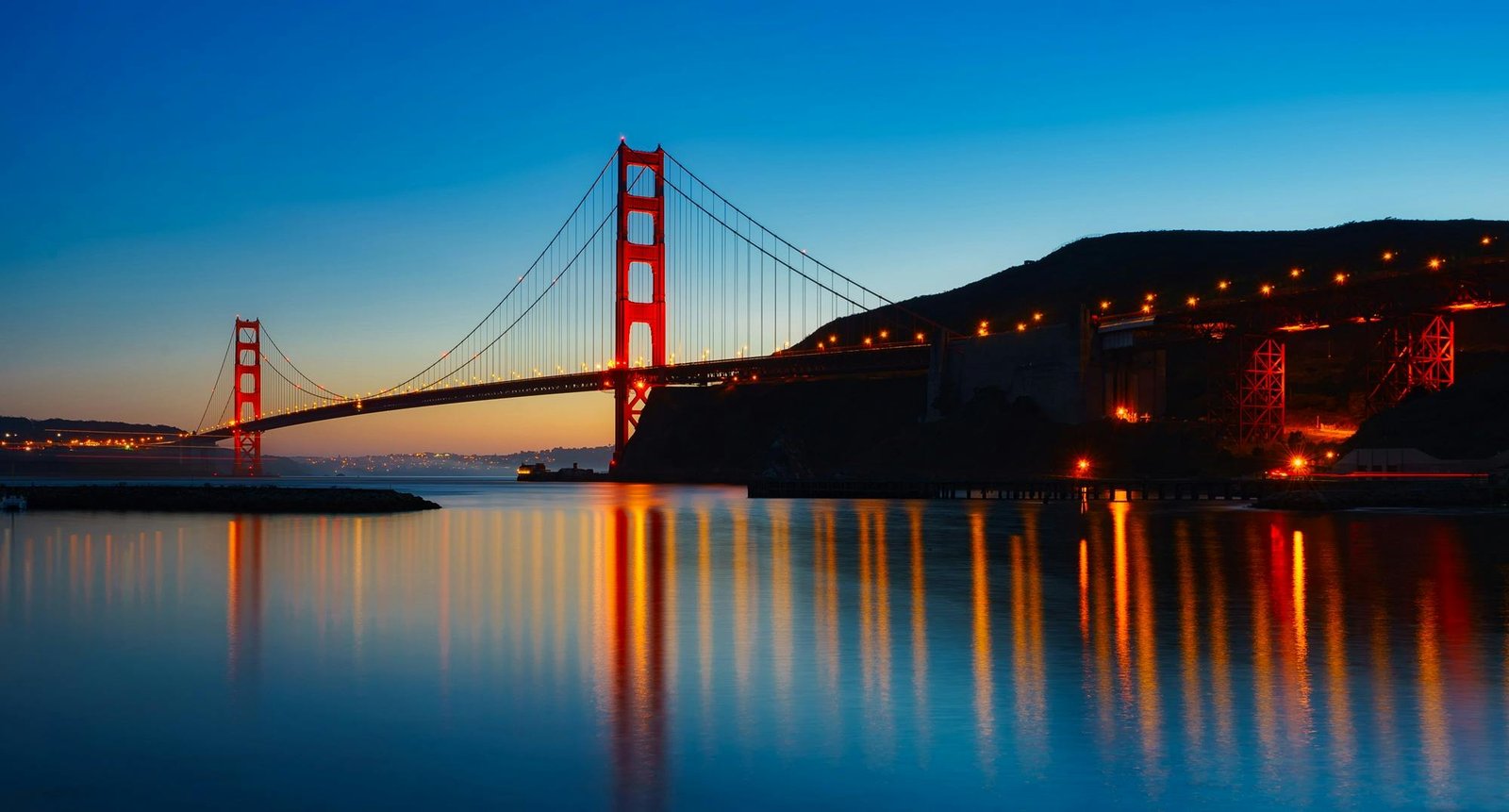
San Francisco, known for its stunning landscapes, rich cultural diversity, and renowned tech industry, is also a city vulnerable to various natural disasters and unfortunate events. The concept of chances and probability plays a significant role in understanding the risks associated with living in the City by the Bay. One of the major factors that residents of San Francisco must consider is the threat of earthquakes. The infamous San Andreas Fault runs close to the city, making it one of the most seismically active regions in the world. While scientists continuously monitor and study the fault lines to predict potential earthquakes, the unpredictable nature of these events underscores the importance of being prepared for the worst-case scenario. In addition to earthquakes, San Francisco also faces the risk of wildfires, especially during the dry season when hot temperatures and strong winds create ideal conditions for fires to spread rapidly. Climate change further exacerbates this risk, making it crucial for residents to take precautions and adhere to fire safety protocols. Furthermore, the city's proximity to the Pacific Ocean exposes it to the possibility of tsunamis, triggered by underwater earthquakes or volcanic eruptions. While the chances of a tsunami hitting San Francisco are relatively low compared to other coastal regions, the potential impact of such an event underscores the importance of having evacuation plans in place. Beyond natural disasters, San Francisco also grapples with social and economic challenges that affect the well-being of its residents. Issues such as income inequality, homelessness, and affordable housing scarcity contribute to the city's complex landscape of opportunities and setbacks. Understanding the probabilities of these challenges and their potential impact on individuals and communities is essential for fostering a more equitable and resilient city. As residents of San Francisco navigate the uncertainties and risks inherent in urban living, embracing a mindset of preparedness, awareness, and community solidarity can help mitigate the impact of potential tragedies. By acknowledging the chances and probabilities associated with living in the City by the Bay, individuals can make informed decisions to protect themselves, their loved ones, and their community. In conclusion, the concept of chances and probability in San Francisco serves as a reminder of the dynamic and unpredictable nature of city life. By recognizing the various risks and challenges that the city faces, residents can proactively engage in efforts to build a safer, more inclusive, and resilient urban environment for all. For more information check: https://www.tragedia.org
https://tosanfrancisco.com
https://toseattle.com
https://todetroit.com
Leave a Comment:
SEARCH
Recent News
- Exploring Zurich: A Taste of Latin America in Switzerland
- Zurich, Switzerland is a vibrant city known for its stunning architecture, picturesque landscapes, and diverse culinary scene. While Swiss cuisine certainly holds a special place in the hearts of many locals and visitors, the city also boasts a variety of international dining options, including Latin American food.
- Zurich, Switzerland is a vibrant city known for its picturesque surroundings, high quality of life, and thriving multicultural community. Among the various expatriate communities that call Zurich home, the Latin American community stands out for its rich culture, lively traditions, and strong sense of community bonding.
- Traveling through Latin America is an exciting and enriching experience that many people dream of. With its diverse landscapes, rich cultures, and warm hospitality, Latin America offers endless possibilities for exploration and adventure. And what better way to share these experiences with the world than through YouTube content creation and translation?
- Latin American Cuisine: A YouTube Content Creation and Translation Guide
- YouTube Content Creation and Translation for the Latin American Community
- Latin America is a diverse and vibrant region filled with rich culture, beautiful landscapes, and fascinating history. If you have a passion for travel and want to explore the wonders of Latin America from the comfort of your own home, then you should check out the YouTube channel "Latin American Travel." This channel is a treasure trove of videos that showcase the best that Latin America has to offer.
- Latin American cuisine is known for its bold flavors, vibrant colors, and rich culinary traditions. From spicy Mexican dishes to savory Colombian empanadas, the diverse cuisines of Latin America are a true reflection of the region's cultural heritage. If you're a food lover looking to explore the world of Latin American food, there are plenty of YouTube channels dedicated to showcasing the best recipes and cooking techniques from this vibrant culinary landscape.
READ MORE
11 months ago Category :

Exploring Zurich: A Taste of Latin America in Switzerland
Read More →11 months ago Category :

Zurich, Switzerland is a vibrant city known for its stunning architecture, picturesque landscapes, and diverse culinary scene. While Swiss cuisine certainly holds a special place in the hearts of many locals and visitors, the city also boasts a variety of international dining options, including Latin American food.
Read More →11 months ago Category :

Zurich, Switzerland is a vibrant city known for its picturesque surroundings, high quality of life, and thriving multicultural community. Among the various expatriate communities that call Zurich home, the Latin American community stands out for its rich culture, lively traditions, and strong sense of community bonding.
Read More →11 months ago Category :
