Understanding Business Legal Compliance for Lighting in San Francisco
Category : | Sub Category : Posted on 2024-11-05 22:25:23
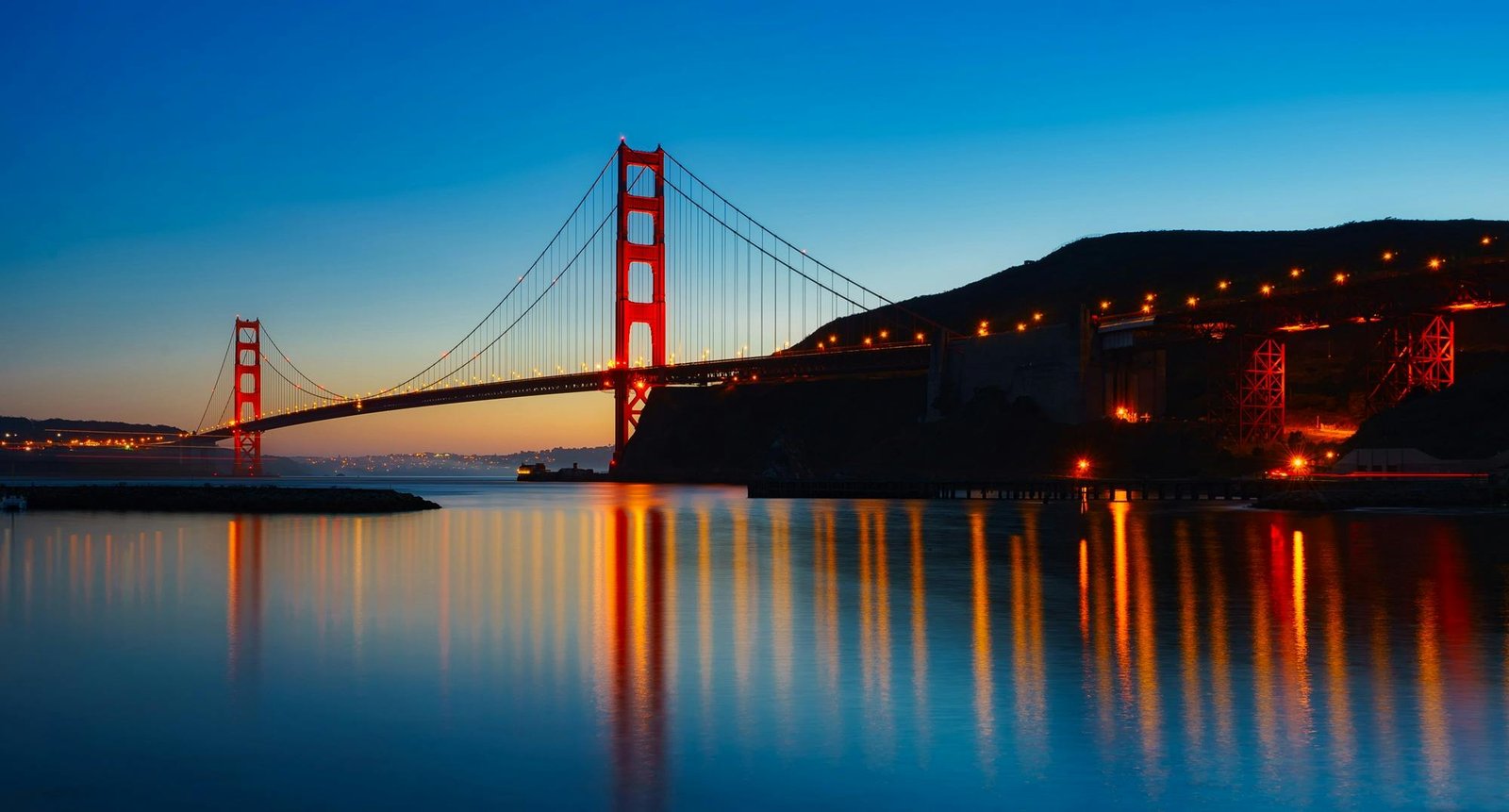
When it comes to operating a business in San Francisco, it is essential to ensure compliance with all relevant laws and regulations, including those related to lighting. Proper lighting not only improves the aesthetics of a business but also plays a crucial role in ensuring safety, security, and energy efficiency. In this blog post, we will explore the legal compliance requirements for lighting in San Francisco businesses. 1. Energy Codes and Regulations: San Francisco has stringent energy codes and regulations in place to promote energy efficiency and sustainability. Businesses are required to comply with these codes when installing or upgrading lighting systems. This may include using energy-efficient lighting fixtures, such as LEDs, and implementing lighting controls to reduce energy consumption. 2. Building Codes: Businesses in San Francisco must adhere to the city's building codes, which include requirements for lighting design and installation. Building codes specify criteria for lighting levels, placement of fixtures, emergency lighting systems, and exit signs to ensure the safety and well-being of occupants. 3. Disability Access Regulations: Under the Americans with Disabilities Act (ADA) and California Building Code, businesses are required to provide adequate lighting to ensure accessibility for individuals with disabilities. This includes ensuring uniform lighting levels, minimizing glare, and using color contrast to improve visibility for visually impaired individuals. 4. Signage Requirements: Businesses in San Francisco must also comply with signage requirements related to lighting. This includes ensuring that signs are adequately illuminated for visibility, using energy-efficient lighting for signage, and complying with local regulations on the size and placement of illuminated signs. 5. Light Pollution Regulations: To protect the night sky and minimize light pollution, San Francisco has regulations in place to control outdoor lighting. Businesses are required to use shielded fixtures, minimize light spillage beyond property boundaries, and adhere to curfew hours for certain outdoor lighting installations. In conclusion, ensuring legal compliance with lighting requirements is essential for businesses operating in San Francisco. By understanding and adhering to the relevant regulations, businesses can create well-lit, safe, and energy-efficient spaces while avoiding potential legal issues. It is advisable for businesses to consult with lighting professionals and legal experts to ensure compliance with all applicable laws and regulations.
https://tosanfrancisco.com
https://toseattle.com
https://todetroit.com
https://castigo.org
https://continuar.org
https://vollmacht.org
Leave a Comment:
SEARCH
Recent News
- Exploring Zurich: A Taste of Latin America in Switzerland
- Zurich, Switzerland is a vibrant city known for its stunning architecture, picturesque landscapes, and diverse culinary scene. While Swiss cuisine certainly holds a special place in the hearts of many locals and visitors, the city also boasts a variety of international dining options, including Latin American food.
- Zurich, Switzerland is a vibrant city known for its picturesque surroundings, high quality of life, and thriving multicultural community. Among the various expatriate communities that call Zurich home, the Latin American community stands out for its rich culture, lively traditions, and strong sense of community bonding.
- Traveling through Latin America is an exciting and enriching experience that many people dream of. With its diverse landscapes, rich cultures, and warm hospitality, Latin America offers endless possibilities for exploration and adventure. And what better way to share these experiences with the world than through YouTube content creation and translation?
- Latin American Cuisine: A YouTube Content Creation and Translation Guide
- YouTube Content Creation and Translation for the Latin American Community
- Latin America is a diverse and vibrant region filled with rich culture, beautiful landscapes, and fascinating history. If you have a passion for travel and want to explore the wonders of Latin America from the comfort of your own home, then you should check out the YouTube channel "Latin American Travel." This channel is a treasure trove of videos that showcase the best that Latin America has to offer.
- Latin American cuisine is known for its bold flavors, vibrant colors, and rich culinary traditions. From spicy Mexican dishes to savory Colombian empanadas, the diverse cuisines of Latin America are a true reflection of the region's cultural heritage. If you're a food lover looking to explore the world of Latin American food, there are plenty of YouTube channels dedicated to showcasing the best recipes and cooking techniques from this vibrant culinary landscape.
READ MORE
11 months ago Category :

Exploring Zurich: A Taste of Latin America in Switzerland
Read More →11 months ago Category :

Zurich, Switzerland is a vibrant city known for its stunning architecture, picturesque landscapes, and diverse culinary scene. While Swiss cuisine certainly holds a special place in the hearts of many locals and visitors, the city also boasts a variety of international dining options, including Latin American food.
Read More →11 months ago Category :

Zurich, Switzerland is a vibrant city known for its picturesque surroundings, high quality of life, and thriving multicultural community. Among the various expatriate communities that call Zurich home, the Latin American community stands out for its rich culture, lively traditions, and strong sense of community bonding.
Read More →11 months ago Category :
