Exploring San Francisco's Abandoned Places: Lessons in Leadership and Coaching
Category : | Sub Category : Posted on 2024-11-05 22:25:23
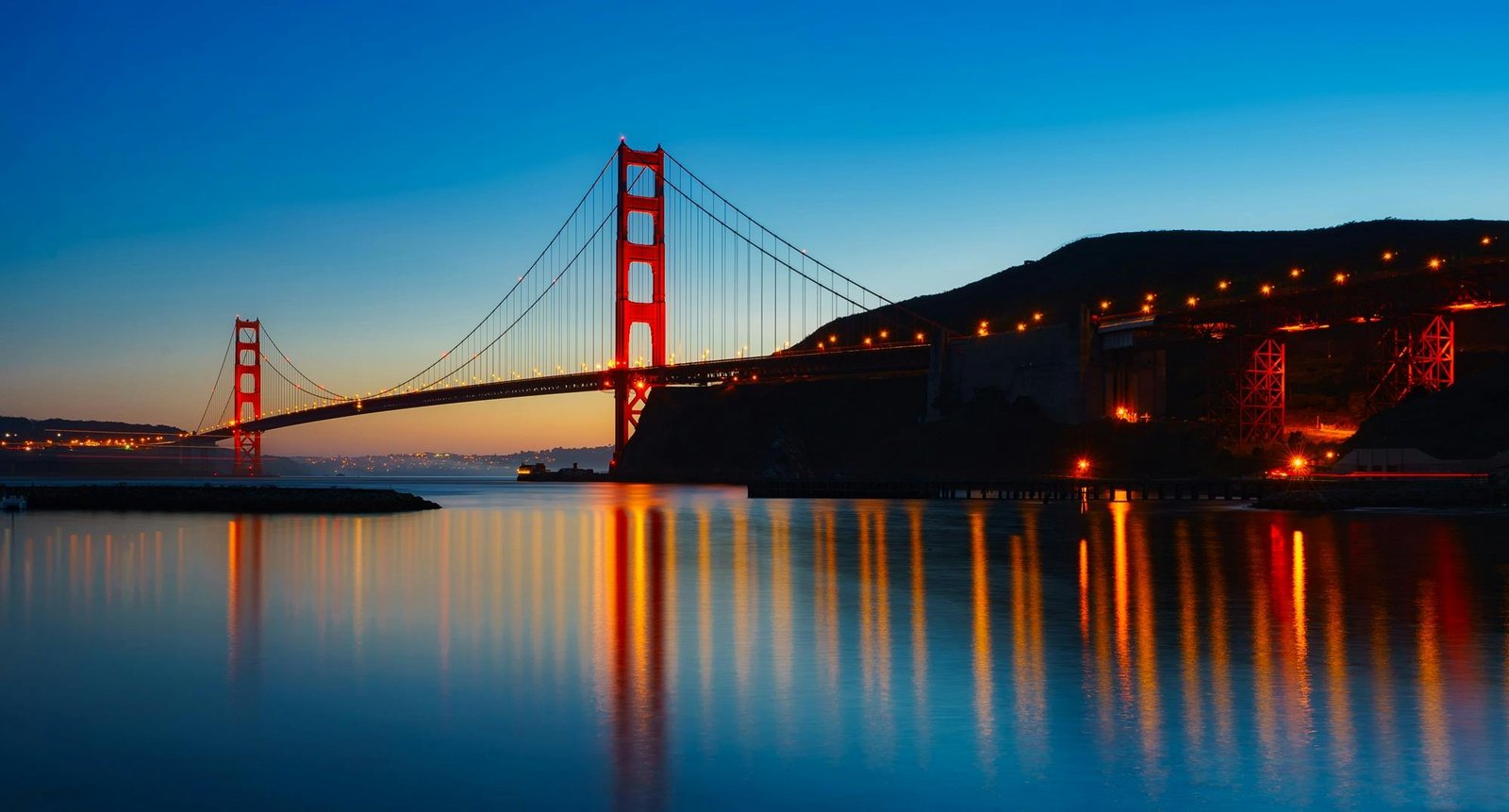
San Francisco, with its bustling streets, iconic landmarks, and vibrant neighborhoods, is a city rich in history and culture. However, beyond the glittering facade of the Golden Gate Bridge and the bustling Fisherman's Wharf lies a hidden world of abandoned places that hold stories of neglect, decay, and forgotten greatness. In this blog post, we will delve into the eerie beauty of San Francisco's abandoned sites and uncover the lessons they hold for leadership and coaching. 1. The Sutro Baths: Once a magnificent glass-enclosed swimming complex overlooking the Pacific Ocean, the Sutro Baths now stand as a haunting reminder of grandeur turned to ruin. The site's crumbling walls and rusted metal structures speak to the impermanence of success and the importance of adaptability in leadership. Just as the baths failed to withstand the test of time, leaders must be prepared to evolve and embrace change to stay relevant in an ever-changing world. 2. The Bayshore Roundhouse: A former train maintenance facility that now sits abandoned and decaying, the Bayshore Roundhouse serves as a poignant symbol of neglect and missed opportunities. Leaders can learn from this site the importance of regular maintenance and reinvestment in their teams and organizations. Coaching can also play a crucial role in identifying and addressing areas of decay before they lead to irreparable damage. 3. The Albany Bulb: This former landfill turned art installation is a unique example of creative transformation in the face of abandonment. Artists and activists have reclaimed the Albany Bulb, turning it into a vibrant outdoor gallery that challenges conventional notions of beauty and value. Leaders and coaches can draw inspiration from this site to encourage creativity, innovation, and out-of-the-box thinking in their teams. 4. The Hunters Point Naval Shipyard: Once a bustling naval base, the Hunters Point Shipyard now stands as a contaminated wasteland awaiting redevelopment. The site serves as a cautionary tale of the long-lasting consequences of poor leadership and decision-making. Leaders must prioritize ethical and sustainable practices to ensure the long-term success and well-being of their organizations and communities. Exploring San Francisco's abandoned places offers a unique perspective on leadership and coaching, reminding us of the importance of adaptability, maintenance, creativity, and ethical decision-making in navigating the complexities of the modern world. As we venture into these forgotten sites, let us reflect on the lessons they impart and strive to build a future marked by resilience, innovation, and compassion.
https://tosanfrancisco.com
https://toseattle.com
https://todetroit.com
Leave a Comment:
SEARCH
Recent News
- Exploring Zurich: A Taste of Latin America in Switzerland
- Zurich, Switzerland is a vibrant city known for its stunning architecture, picturesque landscapes, and diverse culinary scene. While Swiss cuisine certainly holds a special place in the hearts of many locals and visitors, the city also boasts a variety of international dining options, including Latin American food.
- Zurich, Switzerland is a vibrant city known for its picturesque surroundings, high quality of life, and thriving multicultural community. Among the various expatriate communities that call Zurich home, the Latin American community stands out for its rich culture, lively traditions, and strong sense of community bonding.
- Traveling through Latin America is an exciting and enriching experience that many people dream of. With its diverse landscapes, rich cultures, and warm hospitality, Latin America offers endless possibilities for exploration and adventure. And what better way to share these experiences with the world than through YouTube content creation and translation?
- Latin American Cuisine: A YouTube Content Creation and Translation Guide
- YouTube Content Creation and Translation for the Latin American Community
- Latin America is a diverse and vibrant region filled with rich culture, beautiful landscapes, and fascinating history. If you have a passion for travel and want to explore the wonders of Latin America from the comfort of your own home, then you should check out the YouTube channel "Latin American Travel." This channel is a treasure trove of videos that showcase the best that Latin America has to offer.
- Latin American cuisine is known for its bold flavors, vibrant colors, and rich culinary traditions. From spicy Mexican dishes to savory Colombian empanadas, the diverse cuisines of Latin America are a true reflection of the region's cultural heritage. If you're a food lover looking to explore the world of Latin American food, there are plenty of YouTube channels dedicated to showcasing the best recipes and cooking techniques from this vibrant culinary landscape.
READ MORE
10 months ago Category :

Exploring Zurich: A Taste of Latin America in Switzerland
Read More →10 months ago Category :

Zurich, Switzerland is a vibrant city known for its stunning architecture, picturesque landscapes, and diverse culinary scene. While Swiss cuisine certainly holds a special place in the hearts of many locals and visitors, the city also boasts a variety of international dining options, including Latin American food.
Read More →10 months ago Category :

Zurich, Switzerland is a vibrant city known for its picturesque surroundings, high quality of life, and thriving multicultural community. Among the various expatriate communities that call Zurich home, the Latin American community stands out for its rich culture, lively traditions, and strong sense of community bonding.
Read More →10 months ago Category :
